Maritime carbon cost reduction
Bio-LNG for Maritime Compliance
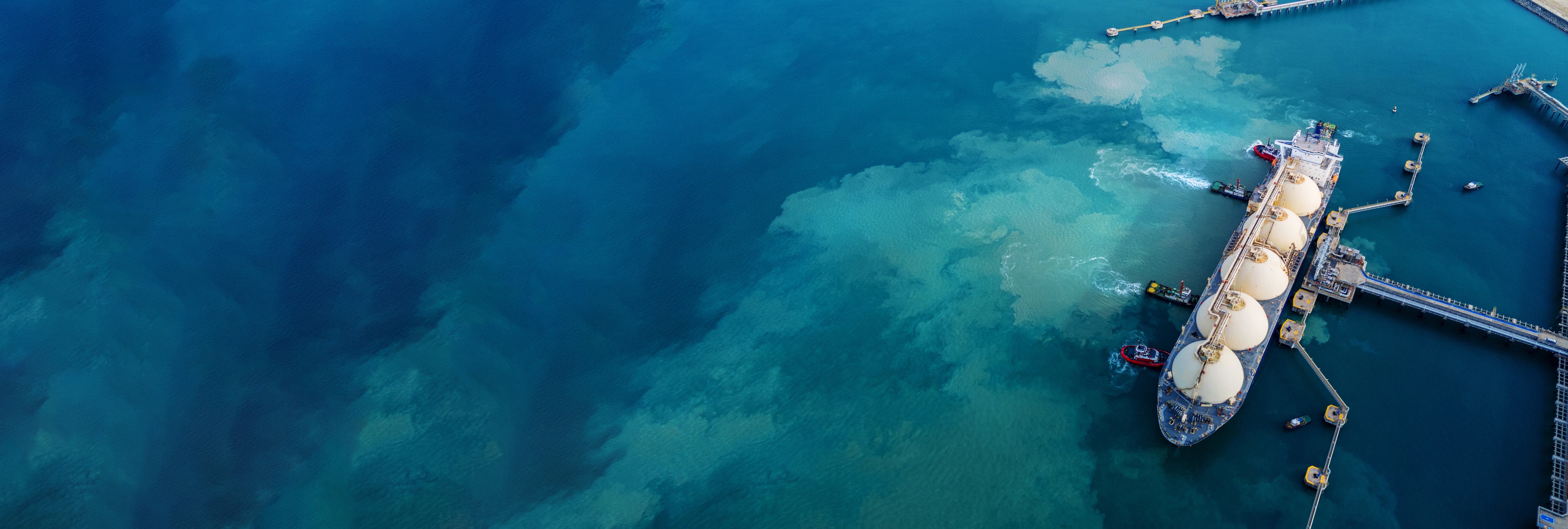
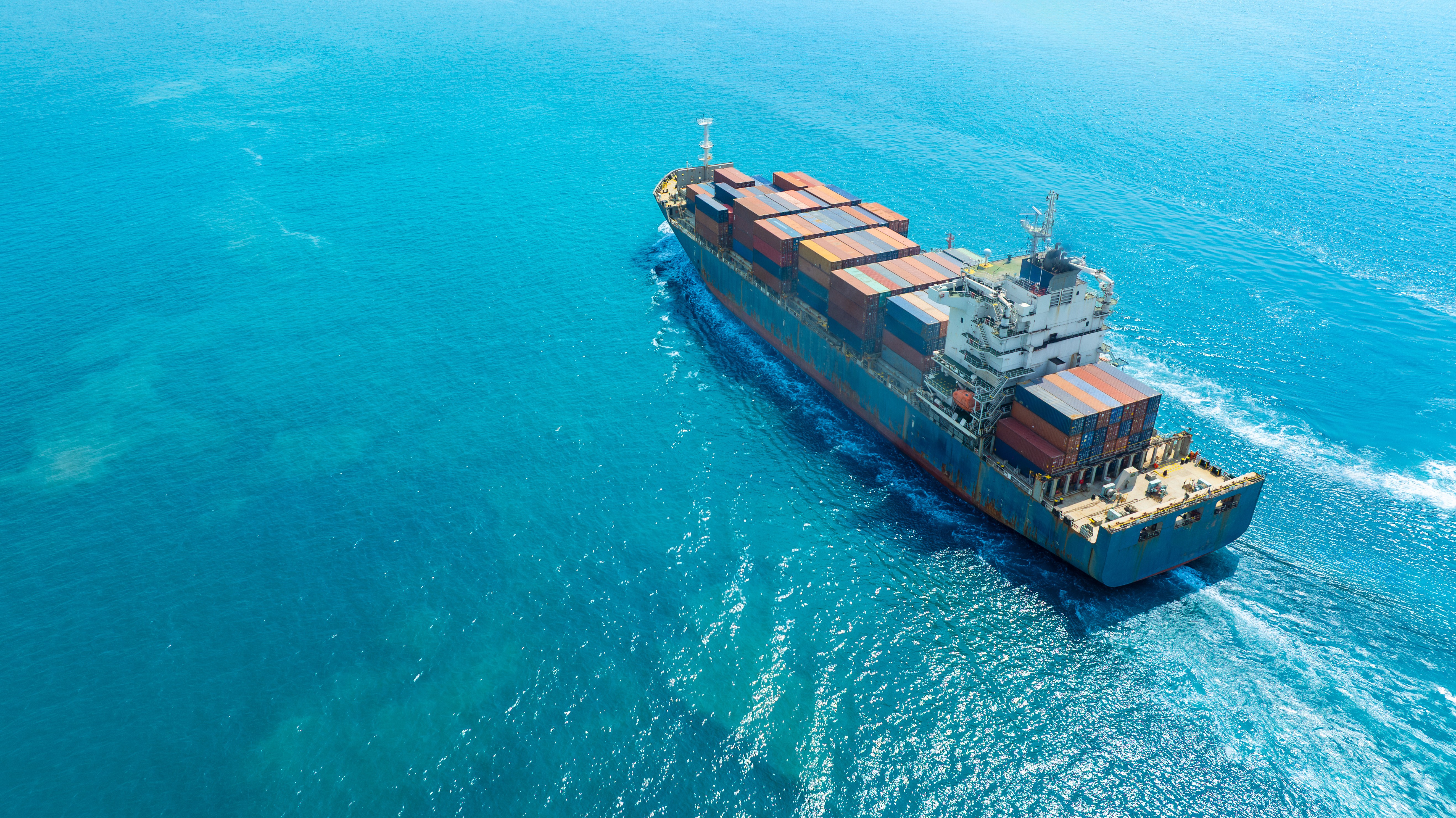
The global economy is underpinned by maritime transport with more than 80% of global trade by volume being transported by sea. The substantial trade volume, extensive voyage distances, and expanding global energy demand, and accompanying fuel transport, results in maritime transport accounting for approximately 3% of global greenhouse gas emissions. As a certified drop-in fuel for this fleet, Bio-LNG cuts EU ETS and FuelEU compliance costs, no new vessel technology required.
Maritime carbon cost reduction
Bio-LNG for Maritime Compliance
The global economy is underpinned by maritime transport with more than 80% of global trade by volume being transported by sea. The substantial trade volume, extensive voyage distances, and expanding global energy demand, and accompanying fuel transport, results in maritime transport accounting for approximately 3% of global greenhouse gas emissions. As a certified drop-in fuel for this fleet, Bio-LNG cuts EU ETS and FuelEU compliance costs, no new vessel technology required.
Maritime carbon cost reduction
Bio-LNG for Maritime Compliance
The global economy is underpinned by maritime transport with more than 80% of global trade by volume being transported by sea. The substantial trade volume, extensive voyage distances, and expanding global energy demand, and accompanying fuel transport, results in maritime transport accounting for approximately 3% of global greenhouse gas emissions. As a certified drop-in fuel for this fleet, Bio-LNG cuts EU ETS and FuelEU compliance costs, no new vessel technology required.
Maritime carbon cost reduction
Bio-LNG for Maritime Compliance
The global economy is underpinned by maritime transport with more than 80% of global trade by volume being transported by sea. The substantial trade volume, extensive voyage distances, and expanding global energy demand, and accompanying fuel transport, results in maritime transport accounting for approximately 3% of global greenhouse gas emissions. As a certified drop-in fuel for this fleet, Bio-LNG cuts EU ETS and FuelEU compliance costs, no new vessel technology required.
Maritime Emissions and the Compliance Landscape
New compliance costs are reshaping maritime economics. Shipping companies now operate under dual carbon pricing:
EU ETS allowance purchases at 100% surrender since January 2026, including methane
FuelEU penalty payments of approximately €2,400 per tonne of energy missing the GHG intensity target since 2025
Every voyage now carries measurable exposure to EU ETS and FuelEU costs. Bio-LNG is one of the most effective tools available for LNG-powered fleets to reduce that exposure while unlocking monetizable compliance value.
New compliance costs are reshaping maritime economics. Shipping companies now operate under dual carbon pricing:
EU ETS allowance purchases at 100% surrender since January 2026, including methane
FuelEU penalty payments of approximately €2,400 per tonne of energy missing the GHG intensity target since 2025
Every voyage now carries measurable exposure to EU ETS and FuelEU costs. Bio-LNG is one of the most effective tools available for LNG-powered fleets to reduce that exposure while unlocking monetizable compliance value.
Reduce Emissions and Stay Compliant
Reduce Emissions and Stay Compliant
Maritime Bio-LNG is a renewable, drop-in alternative to fossil LNG that enables LNG-powered vessels to:
Maritime Bio-LNG is a renewable, drop-in alternative to fossil LNG that enables LNG-powered vessels to:
Reduce verified emissions under EU ETS
Reduce verified emissions under EU ETS
Lower GHG intensity under FuelEU Maritime
Lower GHG intensity under FuelEU Maritime
Avoid penalty exposure
Avoid penalty exposure
Generate bankable compliance surpluses
Generate bankable compliance surpluses
With proper certification, Bio-LNG can reduce lifecycle emissions by up to ~80% compared to fossil LNG, while integrating seamlessly with existing LNG vessel infrastructure. Bio-LNG with a negative carbon intensity, such as that derived from manure feedstocks, can generate compliance surplus for pooling with conventionally fueled vessels. This requires independent certification under a Commission-recognized RED scheme such as ISCC or REDcert, GO2 Markets supplies only certified volumes.
With proper certification, Bio-LNG can reduce lifecycle emissions by up to ~80% compared to fossil LNG, while integrating seamlessly with existing LNG vessel infrastructure. Bio-LNG with a negative carbon intensity, such as that derived from manure feedstocks, can generate compliance surplus for pooling with conventionally fueled vessels. This requires independent certification under a Commission-recognized RED scheme such as ISCC or REDcert, GO2 Markets supplies only certified volumes.
Operate Confidently in a Multi-Layered Regulatory Environment
Regulation is no longer one-dimensional. EU and global statutory and business development frameworks now overlap, meaning fuel decisions must be made with both compliance exposure and commercial strategy in mind.
Regulation is no longer one-dimensional. EU and global statutory and business development frameworks now overlap, meaning fuel decisions must be made with both compliance exposure and commercial strategy in mind.
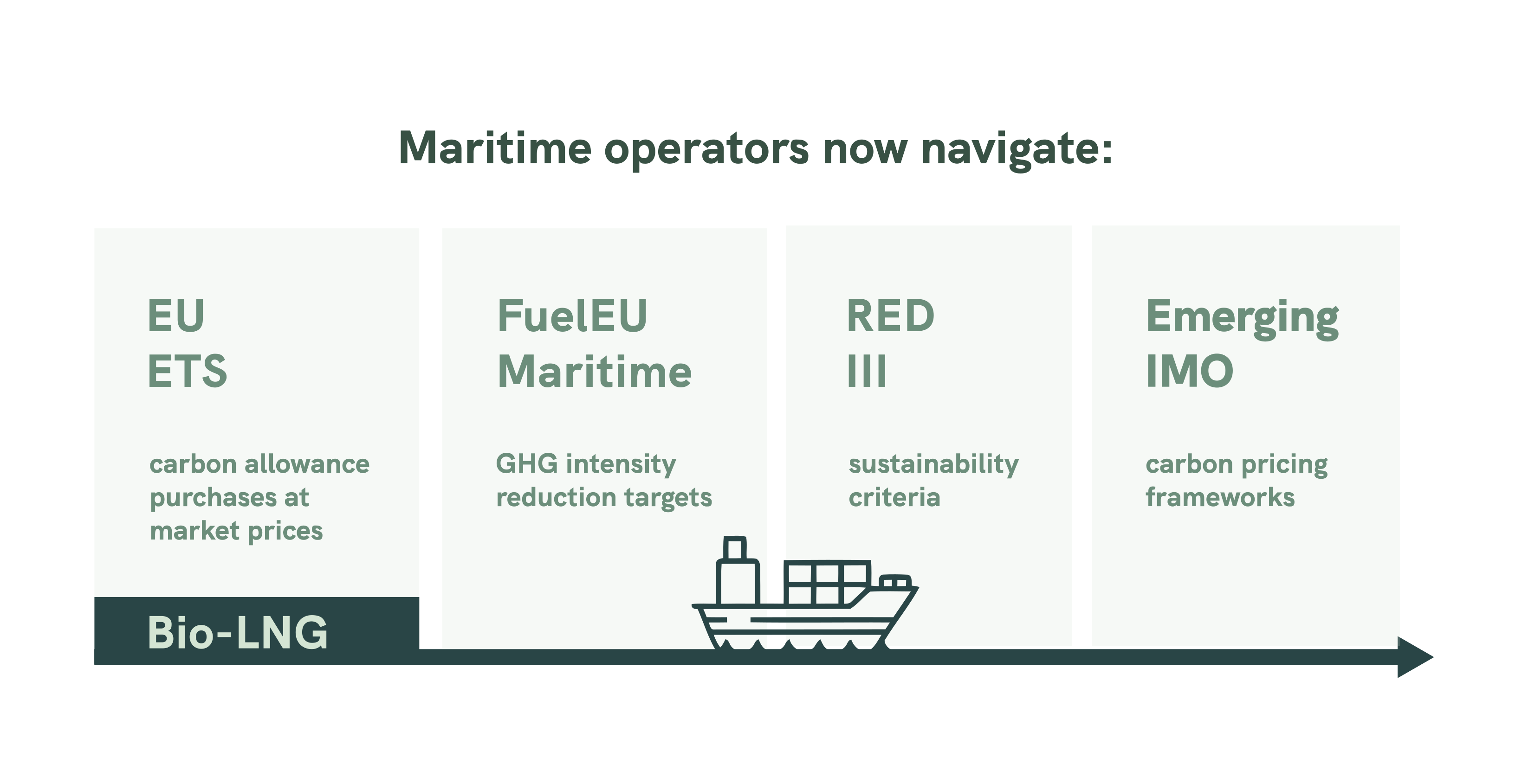
LNG vessels already operate with lower well-to-wake intensity, generating compliance surplus. ISCC-certified Bio-LNG extends this, satisfying EU ETS zero-rating, FuelEU targets, and RED III criteria in one supply chain.
LNG vessels already operate with lower well-to-wake intensity, generating compliance surplus. ISCC-certified Bio-LNG extends this, satisfying EU ETS zero-rating, FuelEU targets, and RED III criteria in one supply chain.
LNG vessels already operate with lower well-to-wake intensity, generating compliance surplus. ISCC-certified Bio-LNG extends this, satisfying EU ETS zero-rating, FuelEU targets, and RED III criteria in one supply chain.
Turn Emissions Reductions Into Revenue
Turn Emissions Reductions Into Revenue
Under FuelEU Maritime:
Ships below the GHG intensity target generate positive balances
Surpluses can be pooled onto deficit vessels
Over-compliance becomes a commercial asset
We structure FuelEU pooling between surplus and deficit operators and negotiate competitive pricing. The case is proven: Bio-LNG over-compliance sells at roughly 1.5x procurement cost, since compliance value exceeds the green premium paid. European bunker suppliers reported biomethane growing from under 1% to over 12% of maritime gas volumes in 2024–2025.
With Bio-LNG rising from 6.5% to over 19% of total delivered volume over the same period. Decarbonization becomes a revenue stream, not just a cost center.
Under FuelEU Maritime:
Ships below the GHG intensity target generate positive balances
Surpluses can be pooled onto deficit vessels
Over-compliance becomes a commercial asset
We structure FuelEU pooling between surplus and deficit operators and negotiate competitive pricing. The case is proven: Bio-LNG over-compliance sells at roughly 1.5x procurement cost, since compliance value exceeds the green premium paid. European bunker suppliers reported biomethane growing from under 1% to over 12% of maritime gas volumes in 2024–2025.
With Bio-LNG rising from 6.5% to over 19% of total delivered volume over the same period. Decarbonization becomes a revenue stream, not just a cost center.
Under FuelEU Maritime:
Ships below the GHG intensity target generate positive balances
Surpluses can be pooled onto deficit vessels
Over-compliance becomes a commercial asset
We structure FuelEU pooling between surplus and deficit operators and negotiate competitive pricing. The case is proven: Bio-LNG over-compliance sells at roughly 1.5x procurement cost, since compliance value exceeds the green premium paid. European bunker suppliers reported biomethane growing from under 1% to over 12% of maritime gas volumes in 2024–2025.
With Bio-LNG rising from 6.5% to over 19% of total delivered volume over the same period. Decarbonization becomes a revenue stream, not just a cost center.
Under FuelEU Maritime:
Ships below the GHG intensity target generate positive balances
Surpluses can be pooled onto deficit vessels
Over-compliance becomes a commercial asset
We structure FuelEU pooling between surplus and deficit operators and negotiate competitive pricing. The case is proven: Bio-LNG over-compliance sells at roughly 1.5x procurement cost, since compliance value exceeds the green premium paid. European bunker suppliers reported biomethane growing from under 1% to over 12% of maritime gas volumes in 2024–2025.
With Bio-LNG rising from 6.5% to over 19% of total delivered volume over the same period. Decarbonization becomes a revenue stream, not just a cost center.


Why GO2 Markets
With over 13 years of experience in the energy and climate markets and over 10 years in the biomethane market, GO2 Markets helps shipping companies turn regulatory pressure into commercial advantage. We combine regulatory know-how with market access and commercial execution, delivering certified Bio-LNG supply, compliance cost optimization, and surplus monetization end to end.
Why GO2 Markets
With over 13 years of experience in the energy and climate markets and over 10 years in the biomethane market, GO2 Markets helps shipping companies turn regulatory pressure into commercial advantage. We combine regulatory know-how with market access and commercial execution, delivering certified Bio-LNG supply, compliance cost optimization, and surplus monetization end to end.
Why GO2 Markets
With over 13 years of experience in the energy and climate markets and over 10 years in the biomethane market, GO2 Markets helps shipping companies turn regulatory pressure into commercial advantage. We combine regulatory know-how with market access and commercial execution, delivering certified Bio-LNG supply, compliance cost optimization, and surplus monetization end to end.
Why GO2 Markets
With over 13 years of experience in the energy and climate markets and over 10 years in the biomethane market, GO2 Markets helps shipping companies turn regulatory pressure into commercial advantage. We combine regulatory know-how with market access and commercial execution, delivering certified Bio-LNG supply, compliance cost optimization, and surplus monetization end to end.
OUR SOLUTIONS
Compliance Assessment & Navigation
Compliance Assessment & Navigation
Fleet-level EU ETS and FuelEU Maritime exposure analysis
Compliance pathway optimization: Bio-LNG, pooling, banking, borrowing
Carbon cost scenario modeling by quantifying penalty exposure and surplus opportunities
Market timing: model EU ETS allowance and FuelEU intensity target trends, including escalation to −6% from 2030

Biomethane Trading
Biomethane Trading
Secure access to certified biomethane volumes and low CI grades across Europe's 1,670+ biomethane plants.
ISCC-certified supply recognized under EU ETS, FuelEU Maritime, and RED III
Flexible CI grades from premium ultra-low (e.g. negative-intensity, manure-based) to cost-optimized standard grade
Wide partnership base across European producers ensures competitive pricing and reliable supply
Established logistics relationships enable delivery across Europe
Secure access to certified biomethane volumes and low CI grades across Europe's 1,670+ biomethane plants.
ISCC-certified supply recognized under EU ETS, FuelEU Maritime, and RED III
Flexible CI grades from premium ultra-low (e.g. negative-intensity, manure-based) to cost-optimized standard grade
Wide partnership base across European producers ensures competitive pricing and reliable supply
Established logistics relationships enable delivery across Europe
Secure access to certified biomethane volumes and low CI grades across Europe's 1,670+ biomethane plants.
ISCC-certified supply recognized under EU ETS, FuelEU Maritime, and RED III
Flexible CI grades from premium ultra-low (e.g. negative-intensity, manure-based) to cost-optimized standard grade
Wide partnership base across European producers ensures competitive pricing and reliable supply
Established logistics relationships enable delivery across Europe
Secure access to certified biomethane volumes and low CI grades across Europe's 1,670+ biomethane plants.
ISCC-certified supply recognized under EU ETS, FuelEU Maritime, and RED III
Flexible CI grades from premium ultra-low (e.g. negative-intensity, manure-based) to cost-optimized standard grade
Wide partnership base across European producers ensures competitive pricing and reliable supply
Established logistics relationships enable delivery across Europe

Bio-LNG Partnerships
Bio-LNG Partnerships
Access an integrated European supply chain from liquefaction to bunkering.
ISCC-certified liquefaction and regasification terminals, each delivery with Proof of Sustainability
Flexible bunkering: ship-to-ship, truck, and port delivery via major bunkering partners
Over-compliance surpluses are bankable and poolable, so they can be monetized or carried forward
Access an integrated European supply chain from liquefaction to bunkering.
ISCC-certified liquefaction and regasification terminals, each delivery with Proof of Sustainability
Flexible bunkering: ship-to-ship, truck, and port delivery via major bunkering partners
Over-compliance surpluses are bankable and poolable, so they can be monetized or carried forward
Access an integrated European supply chain from liquefaction to bunkering.
ISCC-certified liquefaction and regasification terminals, each delivery with Proof of Sustainability
Flexible bunkering: ship-to-ship, truck, and port delivery via major bunkering partners
Over-compliance surpluses are bankable and poolable, so they can be monetized or carried forward
Access an integrated European supply chain from liquefaction to bunkering.
ISCC-certified liquefaction and regasification terminals, each delivery with Proof of Sustainability
Flexible bunkering: ship-to-ship, truck, and port delivery via major bunkering partners
Over-compliance surpluses are bankable and poolable, so they can be monetized or carried forward
Bio- & E-fuels Brokering & Market Access
Bio- & E-fuels Brokering & Market Access
Where Bio-LNG isn't the optimal pathway, we match bio- and e-fuels to your fleet, routes, and regulatory requirements as green methanol and ammonia continue to develop.
Access to a comprehensive range of marine-grade bio- and e-fuels through one integrated supply chain
Full understanding of ISCC, REDcert, and evolving certification requirements
Fuel strategy matched to fleet composition, route profile, and compliance targets
Where Bio-LNG isn't the optimal pathway, we match bio- and e-fuels to your fleet, routes, and regulatory requirements as green methanol and ammonia continue to develop.
Access to a comprehensive range of marine-grade bio- and e-fuels through one integrated supply chain
Full understanding of ISCC, REDcert, and evolving certification requirements
Fuel strategy matched to fleet composition, route profile, and compliance targets
Where Bio-LNG isn't the optimal pathway, we match bio- and e-fuels to your fleet, routes, and regulatory requirements as green methanol and ammonia continue to develop.
Access to a comprehensive range of marine-grade bio- and e-fuels through one integrated supply chain
Full understanding of ISCC, REDcert, and evolving certification requirements
Fuel strategy matched to fleet composition, route profile, and compliance targets
Where Bio-LNG isn't the optimal pathway, we match bio- and e-fuels to your fleet, routes, and regulatory requirements as green methanol and ammonia continue to develop.
Access to a comprehensive range of marine-grade bio- and e-fuels through one integrated supply chain
Full understanding of ISCC, REDcert, and evolving certification requirements
Fuel strategy matched to fleet composition, route profile, and compliance targets
Next Steps
Next Steps
Inquire
Share your fleet profile, trading routes, LNG consumption volumes, and compliance exposure under EU ETS and FuelEU Maritime.
Connect
Our team models your ETS and FuelEU position, quantifies carbon cost exposure, and identifies optimized sourcing and pooling pathways designed to deliver measurable maritime carbon cost reduction and increased profits.
Execute
From assessment to execution, we ensure your Bio-LNG strategy delivers both compliance certainty and commercial value.
ONE Partner. FULL Coverage
Navigate Compliance. Unlock Value.
Navigate Compliance. Unlock Value.
Bio-LNG is more than a fuel decision; it is a carbon cost strategy. Speak with our experts to structure your maritime solution today.
Bio-LNG is more than a fuel decision; it is a carbon cost strategy. Speak with our experts to structure your maritime solution today.


Join our newsletter
Ohlauer Str. 43
10999 Berlin, Germany
info@go2-markets.com
MARKETS
Join our newsletter
Ohlauer Str. 43
10999 Berlin, Germany
info@go2-markets.com