Net Zero
Proposed Changes to the GHGP Scope 2 Guidance
GHGP Scope 2 revision: hourly matching and deliverability
Published on
Sep 22, 2026

Overview
The Greenhouse Gas Protocol (GHGP) is undergoing a significant revision to its Scope 2 accounting guidance. Amongst a number of minor revisions, the GHGP is proposing two major changes: mandatory hourly matching of Energy Attribute Certificates (EACs) and stricter deliverability requirements.
To provide all stakeholders the chance to contribute feedback on the proposed revisions and ensure the new scope 2 guidance is as robust and credible as possible, the GHGP launched a public consultation between October 2025 and January, 2026.
This article aims to summarize the feedback from the public consultation, which will serve as an indication of how the guidance may develop as the GHGP works towards its 2nd draft in mid-2027 and final publication in 2028.
The data paints a complex and cautionary picture. Despite pockets of support for specific elements of the proposal, respondents broadly questioned whether the changes would achieve their objective of strengthening the integrity of Scope 2 accounting without compromising the progress and real-world impact the guidance is meant to drive. Concerns about operational complexity, cost burdens, and systemic readiness gaps were pervasive, signaling that significant questions must be addressed before industry confidence can be secured.
Background
The GHGP Scope 2 guidance provides the global framework for how organizations account for their indirect greenhouse gas emissions from purchased electricity, steam and heat. The current revision process is driven by a desire to improve the environmental integrity of EAC-based claims, ensuring that renewable energy certificates more accurately match the period and location of the generation with those of the consumption.
Update Timeline
Initial Public Consultation: Closed in January 2026
Consultation Feedback Summary Published & Second Draft Development Starting: July 2026
Final Public Consultation: Will follow in mid-2027
Final Publication: Expected by late 2028
Implementation: Kicking off in 2028, beginning with a to-be-defined transition period
Summary of the Current Guidance in Place Today
It’s important to note that these proposed changes are only in the proposal stage now and are not final. Until the final revisions are completed and they go into effect in 2028, the current scope 2 guidance by the GHGP is still the most important to note for greenhouse gas accounting.
Key Details
Key Proposed Changes
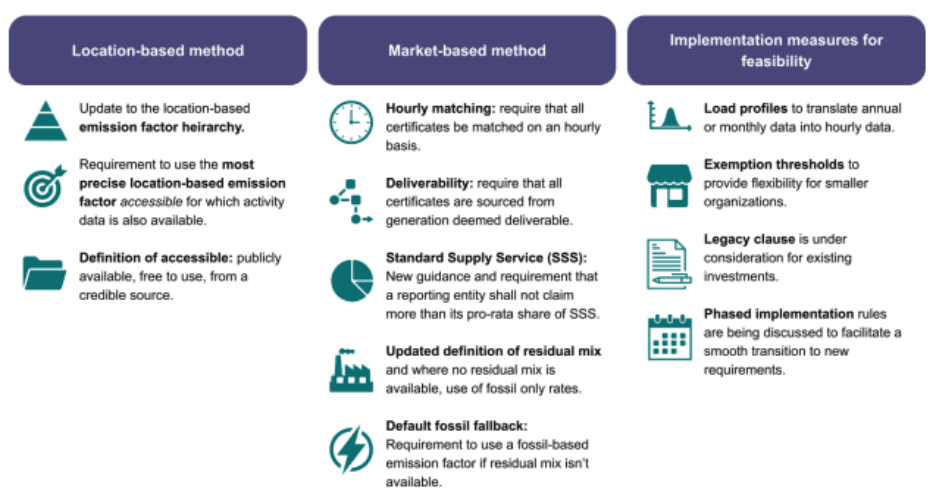
There are two primary changes currently under consideration by the GHGP. These modifications would constitute significant changes to the GHGP's "market-based method" (MBM). This is the method companies use when they report emissions based on the specific electricity they've chosen to buy, including electricity with a green tariff, power purchase agreements (PPAs), or electricity purchased with renewable energy certificates, rather than just the local grid mix. This is different from the "location-based method" (LBM) which simply reflects the average emissions of the grid where operations are located, regardless of clean energy purchases.
Hourly Matching: EACs would need to be matched to the same hour electricity is generated and consumed, rather than on an annual basis. This would apply to entities above a threshold that is yet to be defined. Smaller participants may continue using annual data, and approved hourly profiles could be used where metered data is unavailable.
For example, evening electricity use could no longer be covered by solar EACs generated during the daytime, even if they are from the same year.
Stricter Deliverability Requirements: EACs could only be used if the renewable electricity could realistically reach the consumer in that hour. In practice, this means certificates would need to originate within the same bidding zone as the consumer. As these bidding zones generally mirror national boundaries (sometimes broken into smaller sub-national zones), this effectively introduces a country-level constraint on certificate use. Cross-border certificates from neighboring zones may only be used where “deliverability” to the consumer can be demonstrated according to the methodology outlined in the standard.
For example, EACs from another zone could only be used when there is a price convergence between zones or when the buyer holds explicit transmission rights.
Smaller, additional changes were also included in the proposed guidance and reviewed by the public consultation. These will not be focused on in this article, but a summary is included in the sources below for your reference.
Key Findings
Low support for hourly matching, mixed reaction to deliverability
Most respondents, especially companies and industry groups, expressed low support for the proposed hourly matching changes. Deliverability drew a more divided response, with companies and industry groups leaning unsupportive while other stakeholder types were more favorable.
Most respondents question whether the changes actually improve integrity
The majority view was that the current method already works well because it reflects how companies procure electricity rather than how they physically use it, so allocating emissions through contractual instruments should not require any physical connection between electricity consumption and emission sources. A smaller group disagreed, seeing the changes as a way to improve scientific integrity and alignment with GHG Protocol accounting principles.
Feasibility measures welcomed, but many doubt they're enough
There was broad support for the feasibility measures meant to ease the transition, like exempting most organizations from hourly matching and protecting existing long-term contracts. Views differed on whether these measures strike the right balance: some respondents felt they didn't go far enough, while others worried they would bring real costs, including implementation costs, administrative and audit burdens, data availability issues, and a demanding pace of transition.
Most feedback suggests the current approach satisfies no one fully
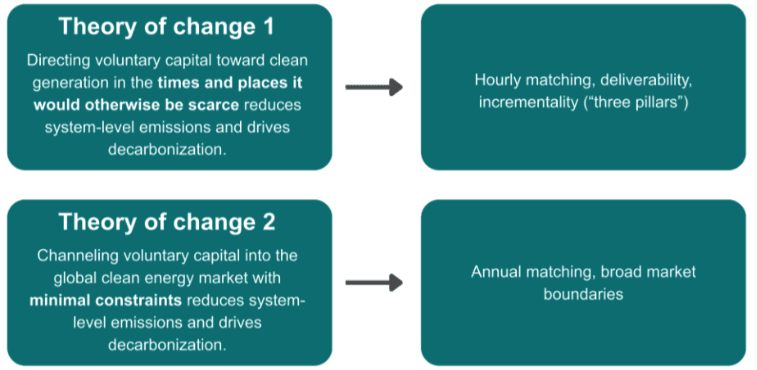
The dominant takeaway was that the proposal, which pairs stricter rules with exemptions, may not fully achieve either goal it's aiming for: some felt the flexibility measures would water down the environmental impact, while others felt the stricter requirements themselves could discourage participation in voluntary electricity markets. This is outlined also in the diagram from the GHGP below.
What This Means for You
The proposed revisions to the GHGP Scope 2 guidance represent the most significant overhaul of renewable energy accounting standards in recent years. The market's response, as captured through this questionnaire, is one of uncertainty, concern, and in many cases, active opposition. Readiness gaps are widespread, cost implications are front of mind, and the potential for the changes to hinder rather than help net zero progress is a recurring theme.
At the same time, the findings highlight some areas of pragmatic consensus: hourly load profiles are seen as workable, and many stakeholders acknowledge the underlying intent of the reforms. The challenge for the GHGP and market participants like GO2 Markets is to channel that pragmatism into constructive engagement with the consultation process and into practical preparation for eventual implementation.
How GO2 Markets Can Help
GO2 Markets is well positioned to lead that conversation, bringing together deep market expertise and the direct connections to industry players affected by these changes. We remain committed to keeping our clients informed as this landscape evolves, and to serving as the reliable, proactive partner they need to navigate the road ahead with confidence.
Sources
Images:
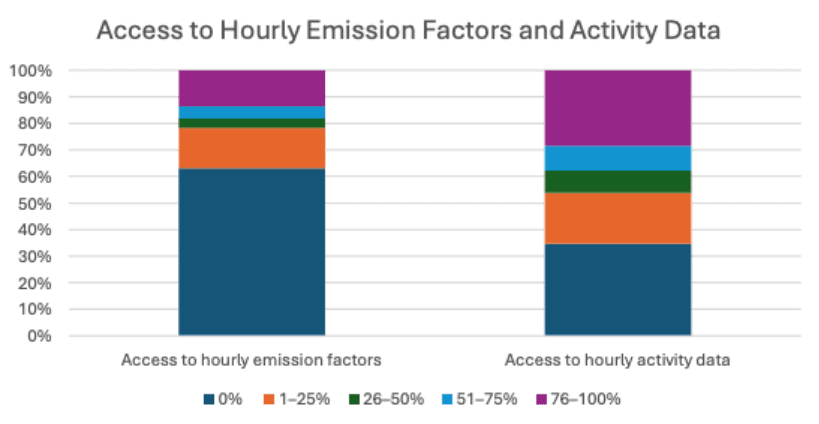
Graphic intended to show low support for hourly matching and data availability
Responses to Questions 57 and 59
Related articles


Related articles


Is your clean energy claim still valid?
If you would like to find out more about our services, we'd love to hear from you. Get in touch and let us know how we can help.